Skip to content
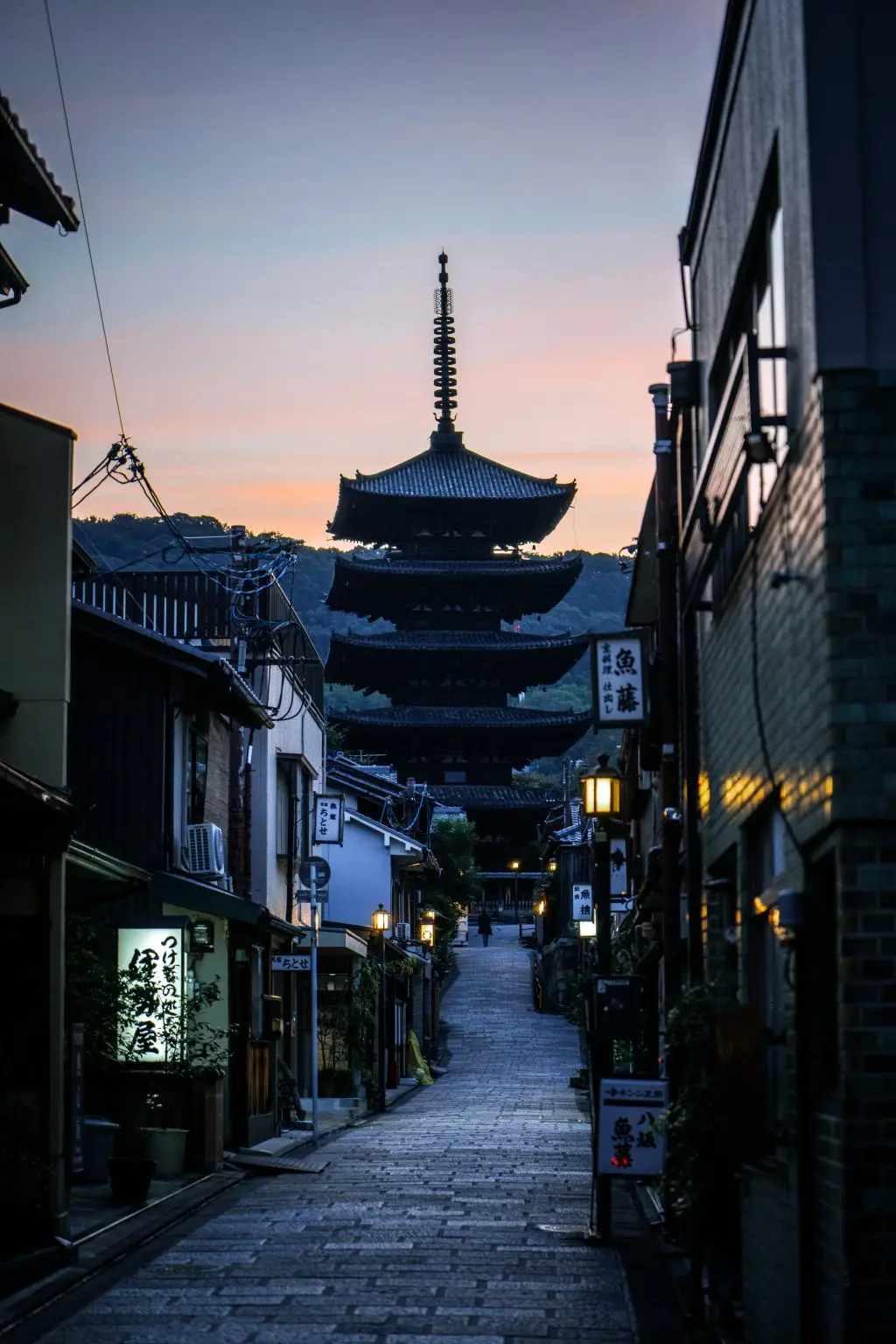
What a week in Japan costs for two in 2026, after four price changes you didn’t see coming.

By Mads Nordsveen14 min read
You’ve probably seen the number. 42.7 million tourists landed in Japan in 2025, a record and up 15.8% on 2024. The yen is still soft. Cherry blossoms are back in everyone’s feed for another spring. For European and North American travelers, getting to Japan has been historically cheap since 2022, and the country is having the kind of moment that lasts.
The short answer:
- A week in Japan for two, mid-range, Tokyo to Kyoto to Osaka: about $4,500 to $5,500 in 2026, flights included.
- Kyoto’s accommodation tax now has five tiers and goes up to ¥10,000 per person per night, paid at the hotel (since 1 March 2026).
- The departure tax tripled to ¥3,000 per person on 1 July 2026.
- JR Pass prices went up on 1 October 2026.
What hasn’t broken through is that Japan rewrote the math in four separate places between March and October of this year. None of them are dramatic on their own. Stack them together and you’re looking at over $500 added to a week’s trip for two, compared to the same trip a year ago.
The harder part: three of the four don’t show up on your booking page. They surface at hotel checkout, baked into the airfare, or at the train counter.
Plenty of Japan budget guides still run on 2024 figures. Some still quote JR Pass prices from before the 2023 hike. Most haven’t caught up with the Kyoto tax that took effect in March. So this is the consolidated version, with figures verified in April 2026 and taxes, rail prices and entry fees rechecked in October 2026, written for travelers who are about to book.
Japan is still one of the best value-for-quality trips in travel right now. It just isn’t quite as cheap as it was last year.
How this guide was made
This article draws on more than 30 primary sources between March and April 2026, including:
- Japan’s Ministry of Finance (departure tax, announced January 9, 2026)
- Kyoto City Council’s official ordinance (accommodation tax, approved March 2025, ratified October 2025)
- JR Group (JR Pass pricing, announcement April 9, 2026)
- Japan Tourism Agency and prefectural notices (regional taxes)
- Live booking platforms (Booking.com, Agoda, Expedia, Google Flights, checked April 2026)
- Japan-focused sources including Japan-Guide, Inside Kyoto, and The Points Guy
We haven’t been to Japan in 2026 ourselves. This is a research-based guide built to consolidate the most relevant price changes in one place, so you can budget properly before you book. Where we cite a single source, we link out. Prices were verified in April 2026, and taxes, rail prices and entry fees were rechecked in October 2026 and shift continuously, so confirm directly before you commit.
The four changes you need to know about
1. The Kyoto accommodation tax (in effect March 1, 2026)
The biggest single change. Kyoto moved from a three-tier system to a five-tier one, and the top rate jumped from ¥1,000 to ¥10,000 per person, per night. That’s a 900% increase.
The new rates per person, per night:
- Room rate under ¥6,000: ¥200 in tax
- ¥6,000 to ¥19,999: ¥400
- ¥20,000 to ¥49,999: ¥1,000
- ¥50,000 to ¥99,999: ¥4,000
- ¥100,000 and above: ¥10,000
The tax is calculated per person, not per room. A couple in a luxury hotel charging ¥120,000 a night now pays ¥20,000 in tax alone, roughly $130 added to every night before the room rate. There is no age exemption, so children pay too. Only domestic school trips are exempt.
The tax is collected directly by the hotel at checkout, not through the booking platform. That’s why guests keep getting blindsided at the front desk. It doesn’t appear on the booking confirmation.
Budget travelers barely feel it. Rooms under ¥6,000 a night still pay ¥200, but rooms from ¥6,000 to ¥19,999 doubled from ¥200 to ¥400 on 1 March 2026. Mid-range stays (¥20,000 to ¥50,000 a night) see the tax double. The real bite lands at the luxury end. But standard four-star hotels in Kyoto routinely sit in the ¥50,000 to ¥100,000 range during cherry blossom season, which puts you at ¥4,000 per person per night, or over $370 extra for a couple staying a week.
2. The national departure tax (in effect since July 1, 2026)
The existing departure tax of ¥1,000 per person tripled to ¥3,000 on July 1, 2026. It applies to anyone leaving Japan by air or sea, foreigners and Japanese citizens alike.
One detail that catches people out: the booking date determines the rate. A ticket bought before July 1, 2026 with a fixed departure date keeps the old ¥1,000 rate, even for a flight after the change. Change the flight after the ticket is issued, though, and the new rate applies. Any ticket bought from July 1 onward carries ¥3,000.
For a couple booking now, that’s ¥6,000 in total (about $40), ¥4,000 more than before, and it is included in the airfare.
3. The JR Pass price increase (in effect since October 1, 2026)
The Japan Rail Pass went up 5 to 6% on October 1, 2026, but only if you buy through overseas agents and resellers. The official JR online store is keeping the old prices for a limited time, and JR has not said when that ends.
Agent prices since October 1, 2026 (Ordinary, adult):
- 7 days: ¥53,000 (up from ¥50,000)
- 14 days: ¥84,000 (up from ¥80,000)
- 21 days: ¥105,000 (up from ¥100,000)
This is the second hike in just a few years. In October 2023, the 7-day pass went from ¥29,650 to ¥50,000, a 69% increase that fundamentally rewrote the math on whether the JR Pass is worth buying.
For a standard Tokyo to Kyoto to Osaka to Hiroshima trip, it still pays off. For shorter trips, or trips concentrated in one region (Kansai), regional passes almost always beat it. We get into this in the transport section.
4. Other regional changes (rolling out April to June 2026)
Several prefectures introduced their own accommodation taxes on April 1, 2026:
- Hokkaido: ¥100 per person per night for rooms under ¥20,000; ¥200 for ¥20,000 to ¥50,000; ¥500 above. Sapporo adds its own tax on top, for a total of ¥300 to ¥1,000
- Hiroshima and parts of Kyushu: local taxes under ¥500 per night
Modest amounts on their own. They stack on top of the Kyoto tax if you’re moving between cities. Tokyo and Osaka already had lower taxes in place (¥100 to ¥200 a night in Tokyo, and ¥200 to ¥500 in Osaka since September 2025).
Visa fees for visitors from countries that require visas (not most Western travelers) rose from ¥3,000 to ¥15,000 for single-entry applications made from 1 July 2026. This doesn’t affect travelers from the EU, UK, US, Canada, Australia, or other countries with 90-day visa-free agreements.
What a week adds up to
Let’s build a real budget for two people, seven nights, on a standard Tokyo to Kyoto to Osaka route. This is the mid-range, not backpacker, not luxury.
Flights to Tokyo (return)
Direct flights from most European cities don’t exist. You’ll connect through a European or Asian hub. From the US, direct options run from major hubs.
Realistic prices per person, return, economy (verified April 2026):
- From London: £700 to £1,400 depending on season
- From New York or LA: $900 to $1,800
- From Sydney: AU$1,100 to $2,000
- From most European capitals: €750 to €1,500
For two people in the middle of the price range from a major Western city: roughly $1,800 to $3,000 in airfare.
The ¥3,000 departure tax (around $20) per person is included in your ticket.
Hotels, seven nights
Varies dramatically by city and standard. We’re using mid-range as the baseline.
Tokyo (3 nights):
- Standard 3 to 4 star hotel: ¥18,000 to ¥25,000 per night ($120 to $165)
- Tokyo accommodation tax: ¥200 per person per night
- Subtotal for 3 nights: ¥54,000 to ¥75,000 + ¥1,200 in tax = approximately $370 to $510
Kyoto (3 nights):
- Standard 3 to 4 star hotel: ¥20,000 to ¥30,000 per night ($130 to $200)
- Kyoto accommodation tax (new rate): ¥1,000 per person per night for the ¥20,000 to ¥50,000 tier
- Subtotal for 3 nights: ¥60,000 to ¥90,000 + ¥6,000 in tax = approximately $430 to $640
Osaka (1 night):
- Standard 3-star hotel: ¥12,000 to ¥18,000 per night ($80 to $120)
- Osaka accommodation tax: ¥200 per person per night for rooms from ¥5,000 to ¥14,999, ¥400 from ¥15,000
- Subtotal for 1 night: ¥12,000 to ¥18,000 + ¥400 to ¥800 in tax = approximately $85 to $125
Total hotels, seven nights (couple): roughly $880 to $1,275
For luxury travelers in Kyoto, those figures scale up sharply. A couple at a hotel charging ¥120,000 per night for three nights: ¥360,000 in room cost + ¥60,000 in Kyoto tax alone (¥10,000 × 2 people × 3 nights) = around $2,800 just for the Kyoto leg.
Inter-city transport
Option A: Individual train tickets
- Tokyo to Kyoto on the Hikari Shinkansen (Nozomi requires a supplement): ¥13,320 per person, one way, non-reserved (about ¥13,850 reserved)
- Kyoto to Osaka (local JR train): ¥580 per person, one way
- Osaka to Tokyo: ¥13,870 per person, one way, non-reserved
For two people, the entire route: roughly ¥55,500 = $370.
Option B: 7-day JR Pass (bought on the official JR site)
- ¥50,000 per person
- For two people: ¥100,000 = $665
For this exact route, the JR Pass loses. Add Hiroshima or day trips to Nara and Himeji and the equation flips. Our take: buy individual tickets for Tokyo, Kyoto, and Osaka, but consider the JR Pass if you’re adding a fourth city.
Option C: Regional pass
- JR West Kansai Wide Area Pass (5 days, covers Kyoto, Osaka, Nara, Himeji): ¥12,000 per person
- For two people: ¥24,000 = $160
- Plus one-way Tokyo to Kyoto: ¥13,320 × 2 = ¥26,640
- Plus Osaka to Tokyo: ¥13,870 × 2 = ¥27,740
- Total: roughly ¥78,380 = $520
For a standard route, this still beats the national pass.
Local transport (subway, buses, taxi)
Subway and bus systems in Tokyo, Kyoto, and Osaka aren’t covered by the JR Pass. Use a Suica or Pasmo IC card, which you can now load on your phone.
- Average per day, per person: ¥800 to ¥1,500
- Seven days for two people: roughly ¥15,000 to ¥21,000 = $100 to $140
Food
Japan is surprisingly affordable for food, provided you eat the way locals eat. The bill explodes only when you upgrade to Western-style restaurants or fine dining.
Realistic daily budget per person:
- Breakfast: ¥500 to ¥1,000 (kombini, café, or hotel breakfast often included)
- Lunch: ¥800 to ¥1,500 (ramen, soba, set lunch)
- Dinner: ¥2,000 to ¥4,000 (izakaya, sushi bar, local restaurant)
- Snacks and drinks: ¥500 to ¥1,000
Per person, per day: ¥3,800 to ¥7,500. For two people over seven days: ¥53,000 to ¥105,000 = $350 to $700.
Two warnings. A kaiseki dinner (the classic Japanese multi-course meal) runs ¥15,000 to ¥30,000 per person. A sushi omakase in Tokyo? ¥10,000 to ¥40,000+ per person. These add up fast and sit on top of the base food budget.
Attractions and experiences
Temples, castles, museums, and experiences have either held prices steady or raised them modestly.
Common entry fees (October 2026):
- Kinkaku-ji (the Golden Pavilion), Kyoto: ¥500
- Fushimi Inari: free
- Senso-ji, Tokyo: free
- TeamLab Borderless: from ¥3,400 (price varies by date)
- Tokyo Skytree: from ¥1,800 (Tembo Deck, booked ahead)
- Ghibli Museum: ¥1,000 (tickets are nearly impossible to get)
- Universal Studios Japan: from ¥8,400, depending on the date
- Tokyo Disneyland: ¥7,900 to ¥12,400, depending on the date
A realistic budget for a couple over a week: $130 to $270.
Book ahead: teamLab Borderless tickets are sold by time slot, so buy them before you fly. Fushimi Inari is free, but a guided walk explains what you are looking at. For a day out of Tokyo, compare day trips to Mt. Fuji, Hakone and Nikko.
Miscellaneous: SIM card, tax-free shopping, gifts
- Travel SIM or eSIM (10 days, unlimited): ¥2,500 to ¥4,000
- Suica or Pasmo starting balance: ¥2,000 per person
- Souvenirs and food to bring home: highly variable. Set aside at least $70 to $150 per person if you plan to buy anything.
The total: what to budget
For two people, seven nights, mid-range standard, Tokyo to Kyoto to Osaka route:
| Item | Amount (USD) |
|---|---|
| Flights (return, from major Western city) | 1,800 to 3,000 |
| Hotels, seven nights (incl. new taxes) | 880 to 1,275 |
| Inter-city transport | 380 to 570 |
| Local transport (subway, buses) | 100 to 140 |
| Food (no fine dining) | 350 to 700 |
| Attractions and experiences | 130 to 270 |
| Travel insurance (couple, seven days) | 60 to 120 |
| Miscellaneous | 150 to 300 |
| TOTAL | 3,850 to 6,375 |
Realistic average for a couple on a typical trip: $4,500 to $5,500 in 2026.
The same trip in 2025 ran roughly $4,000 to $5,000. The $300 to $500 difference comes from a mix of the Kyoto tax, general hotel price creep, and the departure tax.
For luxury (¥100,000+ hotel rooms in Kyoto): add $3,000 to $5,000 to that figure. For backpacker (hostels, kombini meals, regional passes): subtract $1,500 to $2,000.
Tokyo vs Kyoto vs Osaka: where to sleep
Common misconception: that Kyoto is more expensive than Tokyo. It never was. Kyoto used to run 30 to 50% cheaper on hotels. With the new tax structure, the luxury end may now flip. For mid-range, Kyoto still wins on price.
Tokyo:
- Hotel rate (3 to 4 star): ¥18,000 to ¥25,000 per night
- Accommodation tax: ¥200 per person, per night (Tokyo moves to a percentage-based tax in April 2027)
- Best for: shopping, nightlife, variety, trend-driven food
- Where to stay: Shinjuku, Shibuya, or Ginza for a first visit; Asakusa or Ueno for more history
- Hotels we would book: Hotel Gracery Shinjuku for mid-range, The Okura Tokyo for luxury
Kyoto:
- Hotel rate (3 to 4 star): ¥20,000 to ¥30,000 per night
- Accommodation tax: ¥1,000 to ¥4,000 per person, per night (new, sharp rise for the mid-to-top tiers)
- Best for: temples, the geisha district of Gion, cherry blossoms, ryokan stays
- Where to stay: if you’re booking luxury, consider sleeping in Osaka and day-tripping. The tax savings are serious.
- Hotels we would book: Mitsui Garden Hotel Kyoto Sanjo Premier for mid-range, Hotel The Celestine Kyoto Gion near Gion. For a splurge, see our Capella Kyoto guide.
Osaka:
- Hotel rate (3 to 4 star): ¥12,000 to ¥18,000 per night
- Accommodation tax: ¥200 to ¥500 per person, per night (raised in September 2025)
- Best for: street food, Dotonbori, lower prices, easy day trips to Kyoto and Nara
- Where to stay: one night is enough for most travelers. Food lovers can comfortably add a second.
- Hotels we would book: Cross Hotel Osaka near Dotonbori, Conrad Osaka for luxury
Our take: 3 nights Tokyo, 2 nights Kyoto, 2 nights Osaka. If you want luxury, sleep in Osaka and commute to Kyoto by day. The Shinkansen takes 14 minutes and you save a serious amount on accommodation tax.
Find a hotel
Hotels in Tokyo, Kyoto and Osaka
When to go in 2026 to save money
Season moves price hard. This is how the year looks.
Low season (best for budget)
- January, February (after New Year), June (rainy season), September
- Hotel prices down 30 to 40% from peak
- Cherry blossom pricing extends through at least mid-April
Shoulder season (good balance)
- May (after Golden Week), October (before peak autumn foliage), early December
- Hotel prices down 15 to 25% from peak
- Comfortable weather
Peak season (most expensive, most crowded)
- Late March to mid-April (cherry blossoms)
- November (autumn foliage)
- Golden Week (April 29 to May 5)
- Obon (mid-August)
- Hotel prices can double. Trains and experiences book up two to three months out.
The one strategy that saves real money in 2026
Buy your JR Pass on the official Japan Rail Pass site instead of through an agent. The 7-day pass is ¥50,000 there and ¥53,000 through agents, so a couple saves ¥6,000 (about $40) on the same pass. JR says the lower online price is temporary, so check it on the day you buy.
For luxury travelers, consider rebooking from a Kyoto luxury hotel (see our review of Capella Kyoto) to the same category in Osaka or Tokyo. A hotel in Tokyo at ¥100,000 costs you ¥200 per person in tax. The same hotel in Kyoto: ¥10,000 per person. That’s ¥9,800 difference per person, per night. Over a week for a couple, you’re looking at over $900 in tax savings alone.
This matters more than the headline suggests. The Kyoto luxury tax is the only change in 2026 that directly punishes a specific decision (booking high-end in Kyoto), and it’s the one most travelers don’t see coming.
The most common mistakes travelers make in 2026
Not budgeting for the tax at checkout. The Kyoto accommodation tax is paid directly to the hotel in cash or by card, not through the booking platform. Plenty of people get caught off guard.
Buying the JR Pass without doing the math. For Tokyo to Kyoto to Osaka with no other stops, individual tickets cost less. The JR Pass only pays off with four or more long-distance moves, or once Hiroshima is in the mix.
Booking Nozomi shinkansen with the JR Pass. Nozomi and Mizuho aren’t covered. You’ll pay a supplement of around ¥4,960. Take the Hikari instead (roughly 5 to 25 minutes longer on most routes) if you have the pass.
Assuming an old booking pays the new departure tax. A ticket bought in June for a July return kept the old ¥1,000 rate. Tickets bought from July 1 pay ¥3,000.
Booking a luxury hotel in Kyoto when a ryokan in Hakone or Kanazawa offers a better experience for half the price. Kyoto isn’t the only place for traditional Japanese accommodation. Another stay outside the Tokyo to Kyoto corridor is Azuma Farm Koiwai in Iwate.
Ignoring the regional pass structure. If you’re only traveling within Kansai (Kyoto, Osaka, Nara, Himeji, Kobe), the Kansai Wide Area Pass at ¥12,000 is dramatically cheaper than the national JR Pass at ¥50,000.
Thinking duty-free covers alcohol. Tax-free is a real saving on electronics and cosmetics. Alcohol and restaurants aren’t where Japan rewards budget hunting.
Frequently asked questions
Do I need a visa for Japan? Travelers from the EU, UK, US, Canada, Australia, New Zealand, and most other Western countries don’t. Visa-free stays of up to 90 days. You’ll need a valid passport and proof of onward travel.
Is travel insurance necessary? Practically, yes. Healthcare in Japan is expensive, and a medical evacuation can cost over $20,000. Standard travel insurance ($60 to $120 for a couple over a week) covers it.
What’s the fastest way from Narita to central Tokyo? The Narita Express is covered by the JR Pass. Without the pass, the Skyliner to Ueno (¥2,580) is fastest. The Limousine Bus is better if you have a lot of luggage.
Is the JR Pass worth it in 2026? Depends on your route. Tokyo to Kyoto to Osaka with no extra stops: no. Tokyo to Kyoto to Osaka to Hiroshima or longer: yes. Use the JR Pass calculator on japan-guide.com before you buy.
How much cash should I bring? Japan has shifted significantly toward card payments since 2023, but cash is still needed at small restaurants, temples, local buses, and Suica top-ups. About $150 to $200 in yen on arrival is enough for the first few days.
When should I book flights? Two to three months before departure usually gives the best price. Last-minute deals are rare on this route. Tuesday and Wednesday departures are typically cheaper than weekends.
Should I book hotels before or after March 2026? For Kyoto, even if you have a confirmation locking in the old price before March 2026, the hotel may still apply the new tax. The tax follows the stay date, not the booking date.
How long should I stay in Japan? Minimum 7 nights for a meaningful first trip. 10 to 14 nights is ideal if you want to add Hiroshima, Hakone, or a regional destination. Anything under 5 nights rarely justifies the airfare.
Is cherry blossom season worth the price increase? A personal call. Sakura is beautiful, but prices double and crowds are real. November autumn foliage delivers an equally dramatic visual at 25 to 35% lower cost.
What about the yen exchange rate? The yen has been historically weak since 2022, making Japan cheaper for European and Western travelers than it has been in 30 years. Check the rate when booking. It can shift materially over a couple of months.
All prices, taxes, and rules were checked in April 2026. Taxes, rail prices and entry fees were rechecked on 24 October 2026. The departure tax rose to ¥3,000 on July 1, 2026. The Kyoto accommodation tax took effect March 1, 2026. JR Pass prices rose for agent purchases on October 1, 2026, and the dates were updated in October 2026. USD conversions use roughly 1 JPY ≈ $0.0067 / 1 USD ≈ ¥150 (April 2026). Always confirm directly with airlines, hotels, or rail operators before booking.
Traveler Magazine may earn a commission on bookings made through links in this article. It does not affect what we write.